Machu Picchu
There are places that photograph beautifully and there are places that fundamentally alter your sense of perspective. Machu Picchu belongs firmly in the second category.
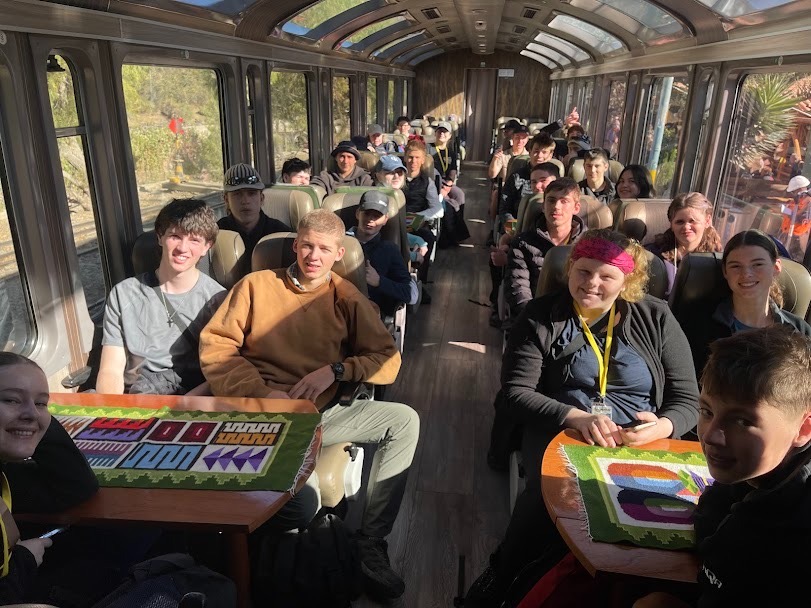
Our day began in Ollantaytambo, one of the last remaining living Inca towns. Boarding a panoramic train with glass ceilings and oversized windows, students settled in for what quickly became one of the most spectacular train journeys many of us have ever experienced.
As we followed the Sacred Valley towards Machu Picchu, the landscape became increasingly dramatic. Rivers carved through deep valleys, steep mountains rose on either side of the tracks and hikers could occasionally be spotted making their way along sections of the famous Inca Trail. Every bend seemed to reveal another breathtaking view.
There was a growing sense of anticipation throughout the carriage.
For many students, visiting Machu Picchu had been a dream long before we boarded the plane in Melbourne. After months of anticipation, the moment had finally arrived.
Yet nothing prepared us for our first glimpse of the ancient city.
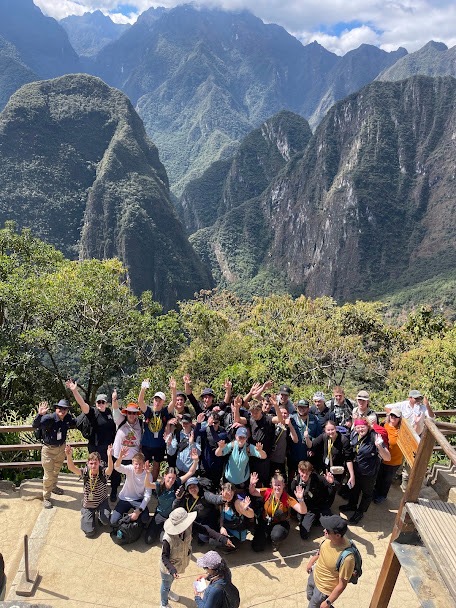
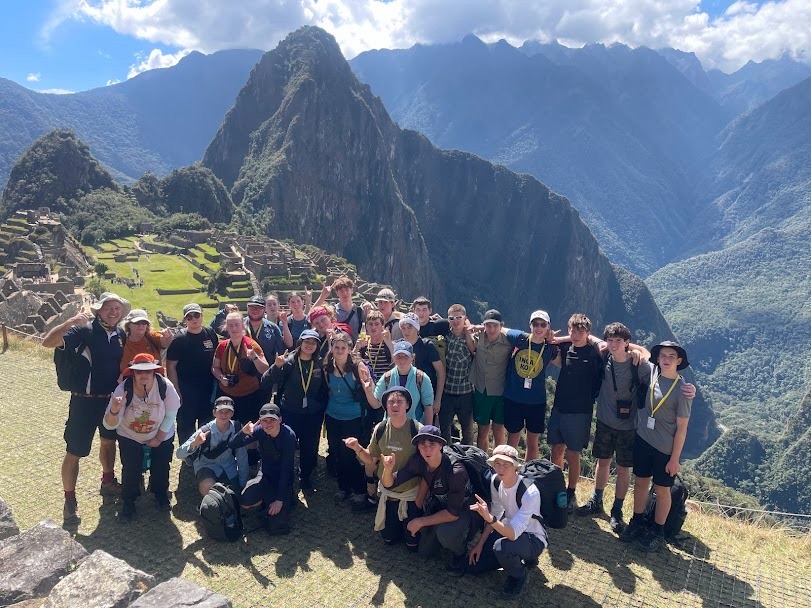
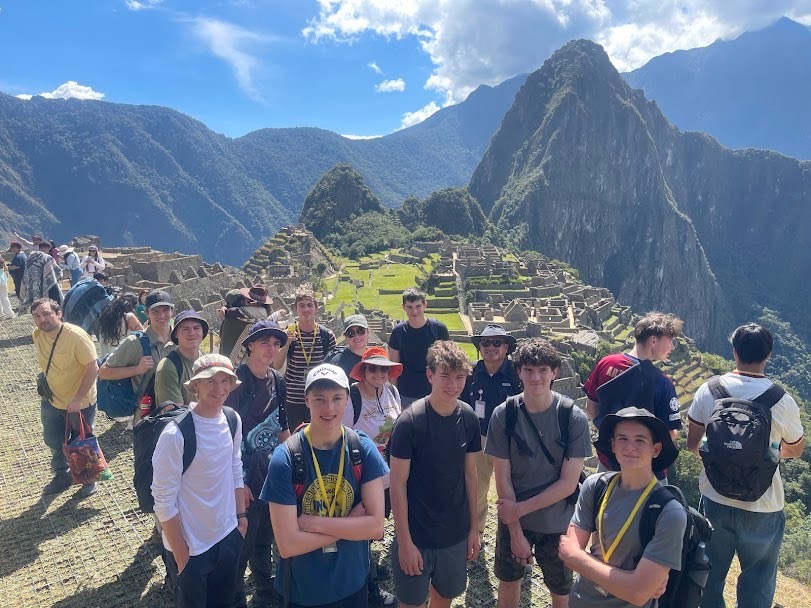
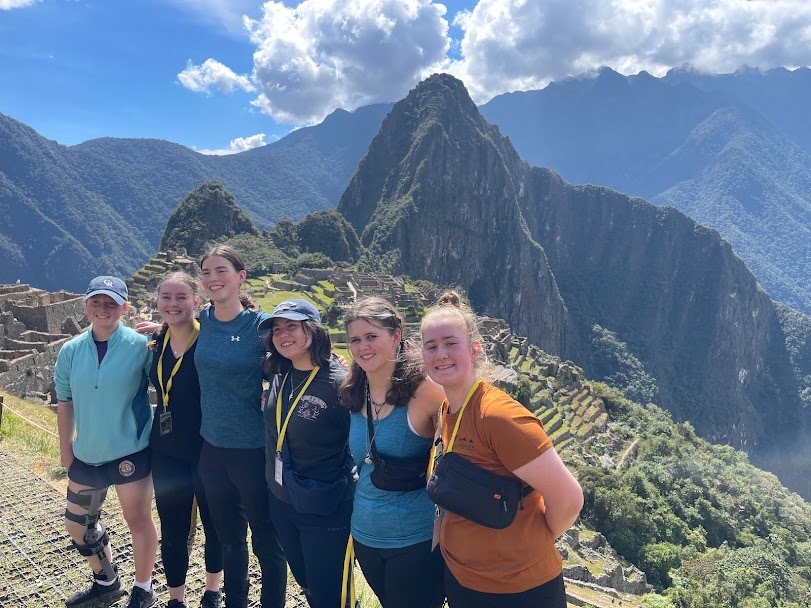
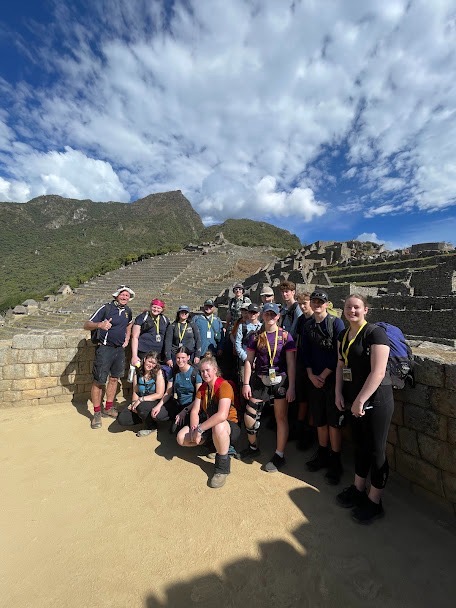
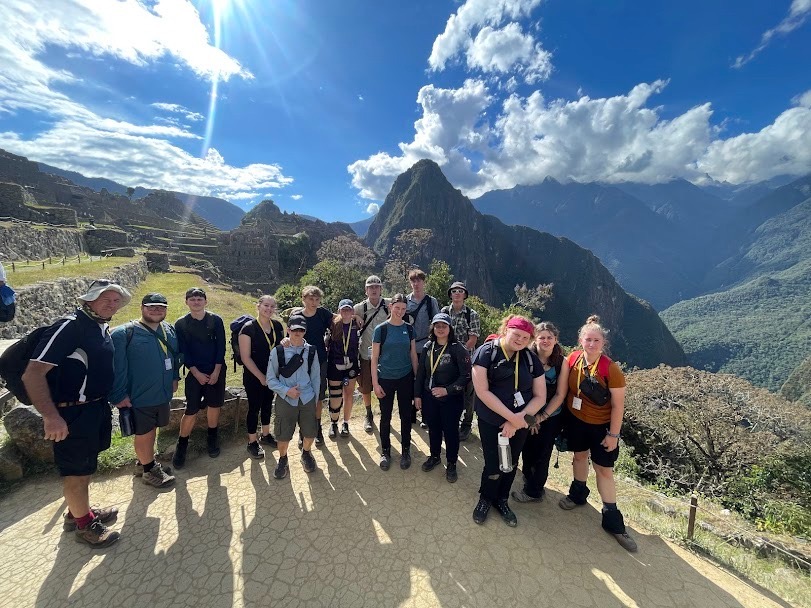
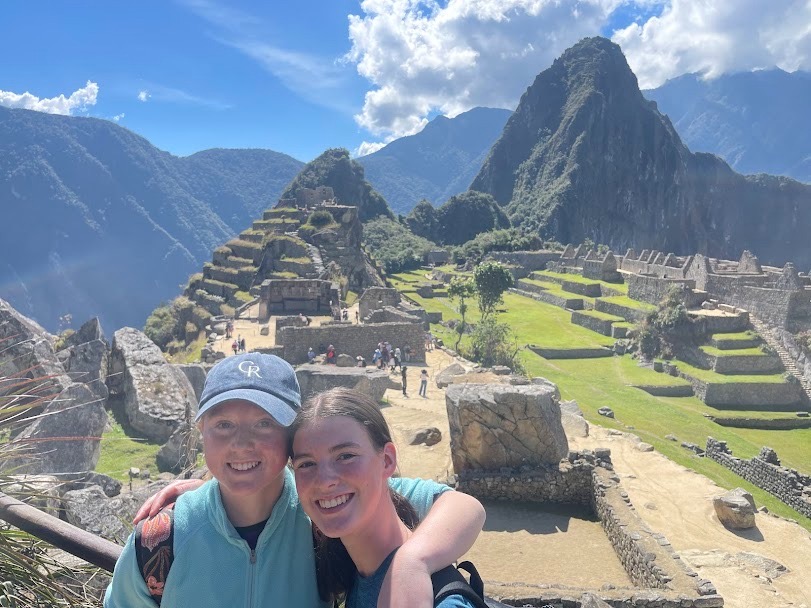
Emerging onto the viewing area, Machu Picchu suddenly appeared, nestled amongst some of the most spectacular scenery on Earth. Ancient stone terraces cascaded down impossibly steep mountainsides. Towering peaks surrounded the city in every direction. Above us, brilliant blue skies stretched endlessly while enormous white clouds drifted across the Andes.
The photographs simply cannot capture the scale of the place.
Standing more than 2,400 metres above sea level, Machu Picchu feels suspended between earth and sky. Looking across the ancient city, it is difficult to comprehend how the Inca people built such a remarkable settlement almost 600 years ago. Without iron tools, wheeled transport or modern machinery, they quarried, transported and shaped thousands of tonnes of stone to create one of the most extraordinary engineering achievements in human history.
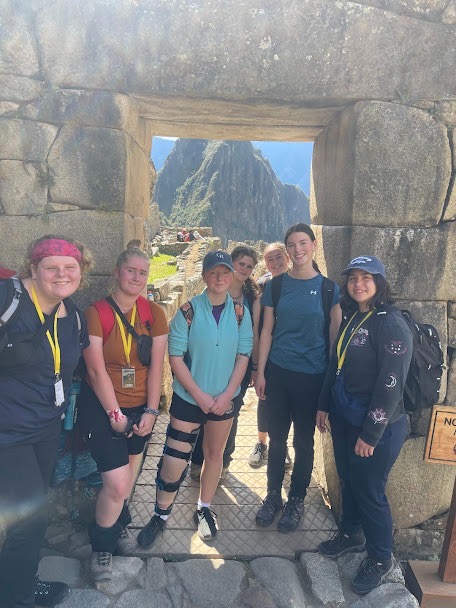
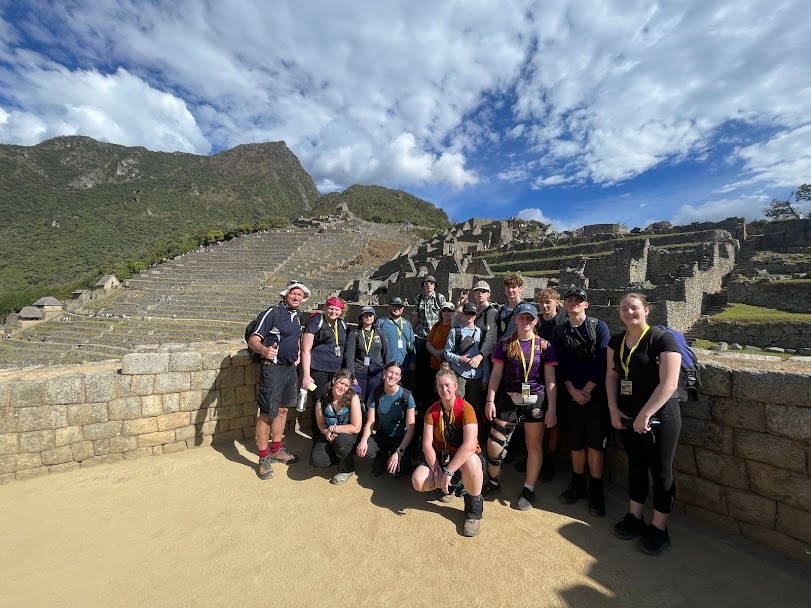
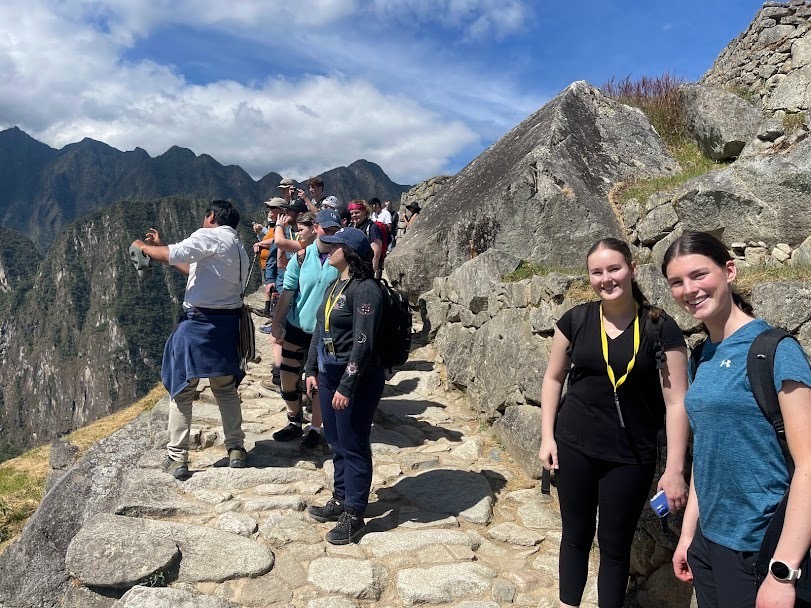
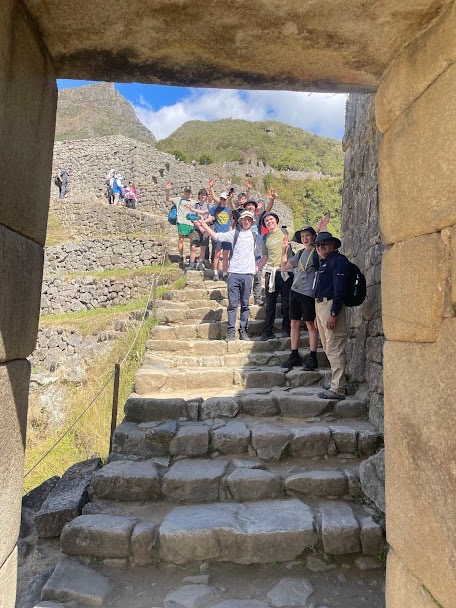
Walking through the site, students could see that achievement for themselves. Massive stone blocks fit together with remarkable precision. Agricultural terraces transformed impossible slopes into productive farmland. Sophisticated water channels and drainage systems still function centuries later. Everywhere we looked, there was evidence of a civilisation whose understanding of engineering, agriculture and urban planning was far more advanced than many people realise. We also learnt about the Incan approach to organic architecture, where builders worked with the landscape itself, moving smaller stones while leaving larger rock formations to rest in their eternal place.
Throughout the day, students explored the ruins while learning about the fascinating history of the Inca civilisation. We were fortunate to be guided by both Steven and Carlos, who each brought a unique perspective to the experience. Steven helped us understand the historical significance of Machu Picchu and the remarkable achievements of the Inca people. Carlos, a history and philosophy teacher, encouraged students to think beyond the stones themselves and consider the people who built them.
One of the most fascinating discussions centred on the purpose of Machu Picchu. Carlos and Steven described it as far more than a city hidden in the mountains. They explained that it may have been a place where learning, leadership and spirituality intersected. According to the interpretation they shared, young people lived and learned within the citadel whilst members of the Inca nobility and royalty continued to visit and use the site. High amongst the peaks of the Andes, knowledge, leadership, spirituality and community were deeply valued.
As students sat amongst the ruins listening to Carlos, the conversation shifted beyond history.
Who were these people?
What values allowed them to create something so extraordinary?
What responsibilities come with leadership?
What legacy do we leave behind?
These were not questions about the fifteenth century alone. They were questions about our own lives.
One of the great privileges of educational travel is watching learning move beyond the classroom. Facts become places and places become experiences that shape how young people understand the world long after the journey has ended.
There are moments in teaching when you have to stop and take stock of where you are. Standing high in the Andes with twenty-four Australian students, watching them engage with one of humanity’s greatest achievements, was one of those moments.
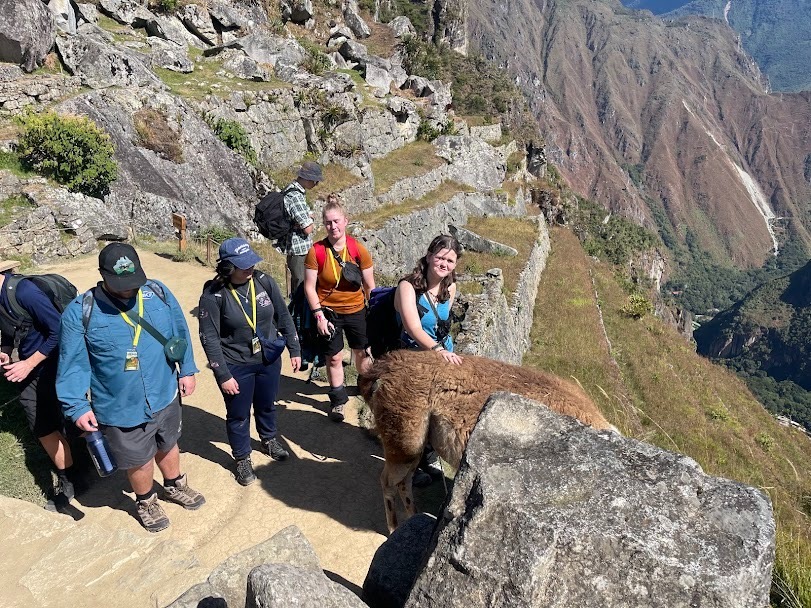
Some students were busy photographing every angle of the site. Others paused to watch llamas grazing amongst the terraces or lizards darting between ancient stone walls. Some listened intently to every word of the guides while others stood quietly looking across the valley, trying to absorb the scale of what lay before them.
What united them all was a sense of wonder.
Machu Picchu has survived earthquakes, political upheaval, abandonment and centuries of isolation. Hidden from the Spanish during the conquest of the Inca Empire, it remained largely unknown to the outside world until the early twentieth century. Today, it stands as one of the most significant archaeological sites on Earth and a reminder of what human ingenuity can achieve when vision, knowledge and determination come together.
Long after the details of dates and names have faded, I suspect our students will remember something else.
They will remember standing in a city built nearly 600 years ago and realising what human beings are capable of achieving.
They will remember the mountains, the clouds and the silence that greeted that first view, along with the stories shared by Steven and Carlos.
They will remember the conversations, the laughter and the feeling of standing in a place they had only ever seen in textbooks.
Most importantly, they will remember that learning is not confined to four walls. Sometimes it is found on a mountainside in Peru, surrounded by the achievements of a civilisation whose legacy continues to inspire the world.
After an unforgettable day exploring one of the world’s most remarkable places, we finished with a well-earned visit to the local hot springs. Surrounded by mountains and sharing stories from the day, it was the perfect way to reflect on an experience that many students are already describing as the highlight of the trip so far.
Student Reflections
Jess: `I really enjoyed taking pictures of the ruins and mountains and lizards until my camera went flat’.
Rosie: `The views in Machu Picchu were spectacular, I loved taking photos of the mountains’.
Mia: `Going to the hot springs after Machu Picchu was THE BEST’.
Skye: `It was amazing seeing all the beautiful views at Machu Picchu, and hearing about its history’.
Gus: `Today I enjoyed spending time with such great people at such a great place, Machu Picchu! The experience is something I will cherish forever and my gratitude towards Harry and the staff is unmatched’.
Atticus: `I enjoyed the train ride with the beautiful views, I also loved both seeing and hearing about Machu Picchu’s history’.
Jack: `My favourite part of the day was exploring the Machu Picchu ruins with our guide Carlos, who not only taught us about the rich history of the place but gave us powerful insights on how to view life and the importance of great leadership’.
Lilly: `My favourite part of today is so hard to choose as every part feels like a highlight. That first look over Machu Picchu was incredible and such a pinch me moment, but after a long day sliding into hot springs was the best feeling. I loved it all’!
Charlie Bell: `I loved seeing the view from Machu Picchu and learning about its history from our tour guide Carlos’.
Oskar: `My favourite thing of the day was going to Machu Picchu and seeing the views from the top. I also liked seeing hikers on the Inca Trail next to the train from Ollantaytambo to Machu Picchu’.
Chas: `My favourite thing was standing at Machu Picchu and looking out at the towering mountains’.
Matthew: `My favourite thing from today was being at Machu Picchu, listening to the tour guide explaining some history, and imagining how it must have been like in its prime’.
Kaity: `It was an amazing experience, my favourite thing was patting a wild llama, and learning about the Incas. Machu Picchu was the most incredible thing I’ve ever experienced, HIGHLY RECOMMEND!’
Thomas: `Machu Picchu was so amazing. Seeing the houses made out of rocks was incredible’.
Isaac: `Machu Picchu reminded me that some places leave a mark far greater than their location on a map; they change the way you see everything around you’.
Emilio: `This was bloody amazing. The Incans were a great and successful civilisation according to modern geological and archaeological scientists. They built a llacta in the Andes Mountains and transformed the high-altitude jungle into a gravity-fed engineering masterpiece. The careful construction of stone, organised rock and soil supported a simple way of life focused on religion, agriculture and education.
The Incans believed in both material life and spiritual connection. They built their citadel with love and craftsmanship, and it still stands today. One lesson we can learn from them is to find something that keeps you going in this material world and to love the work you do. While some of their traditions may seem strange today, there is still much we can learn from them.
Our tour guide Carlos believes that leaders have made Peru what it is today. A good leader is moral, intelligent and strong, and wants to see their community succeed, not just themselves. Carlos says that one of the most important things we can do for our society is to become strong leaders ourselves’.
We are off to ride across the Andes and kayak across Laguna Huaypo …until next time,
The Peru Crew