Home Stay CcorCcor
The road to Ccorccor wound steadily higher into the Andes. Small adobe homes dotted the hillsides, patchwork fields stretched across the mountains and snow-capped peaks stood watch in the distance. As we rounded the final bend, a small group of people could be seen waiting outside the village.
Then the music began…
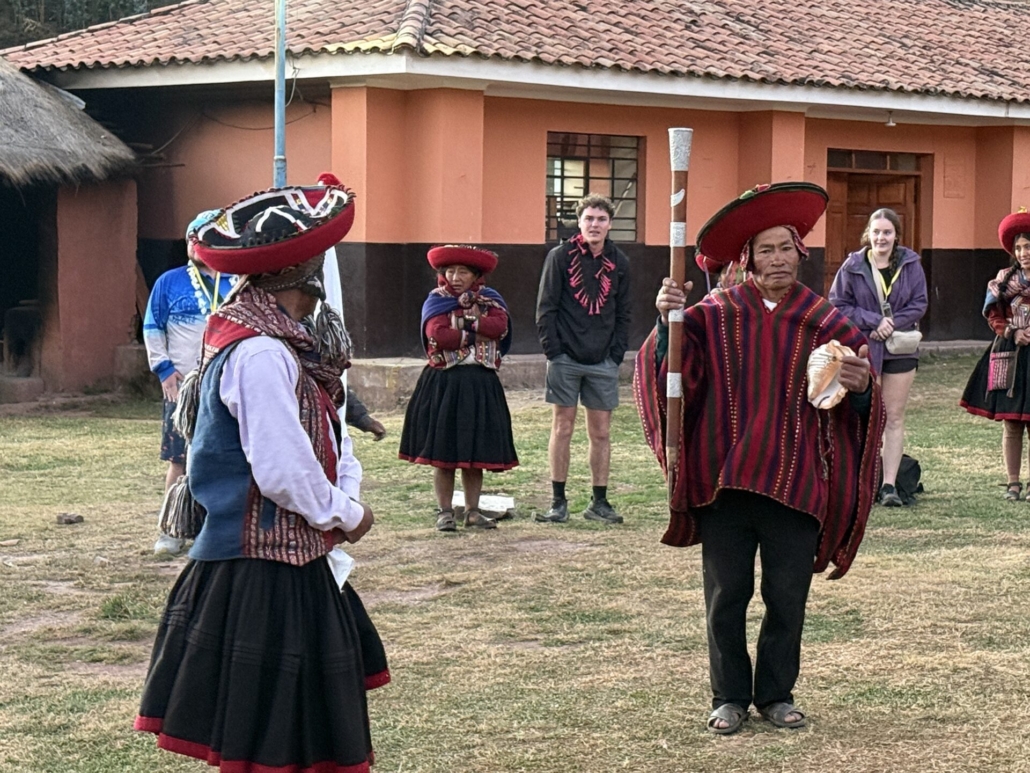
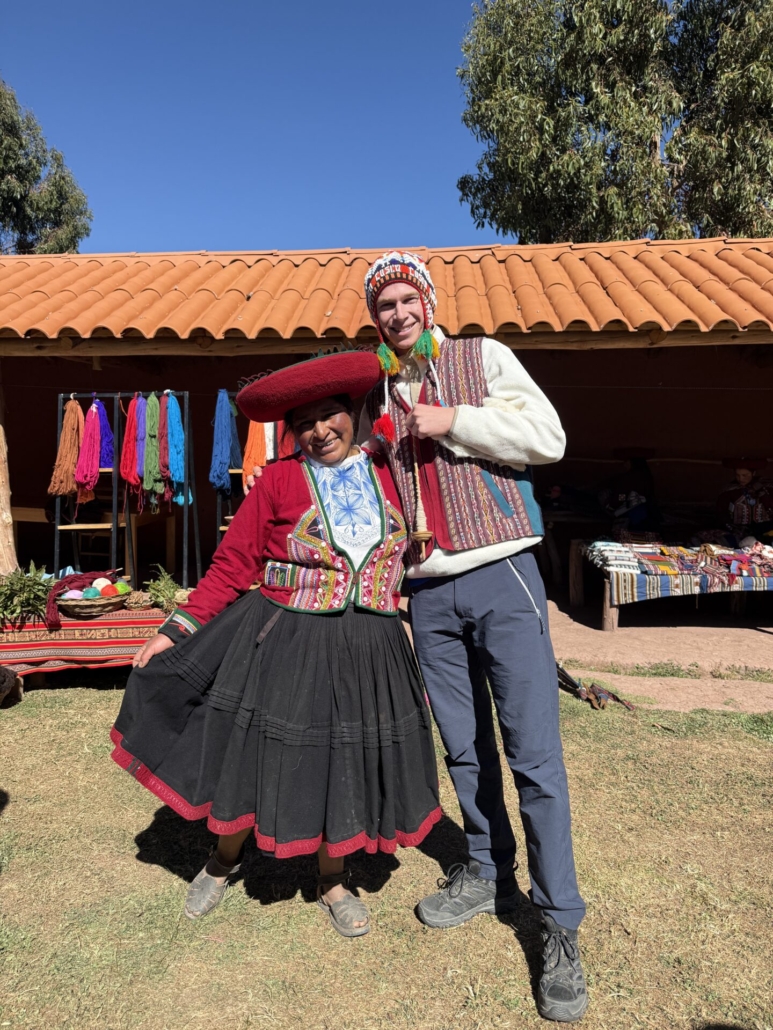
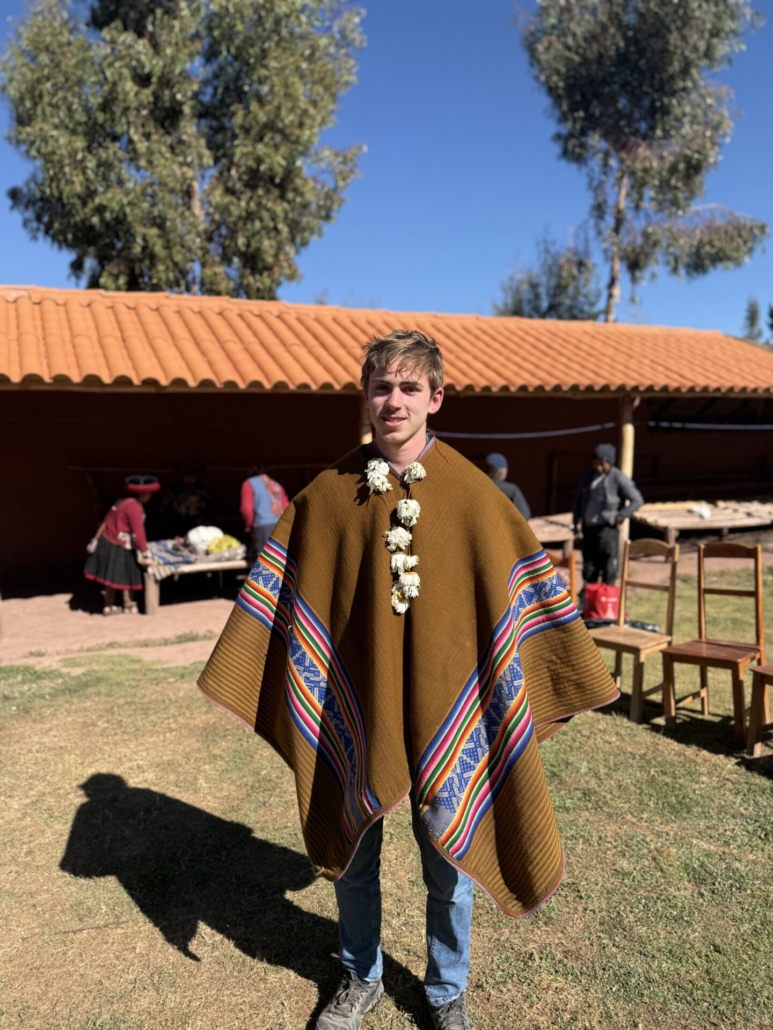
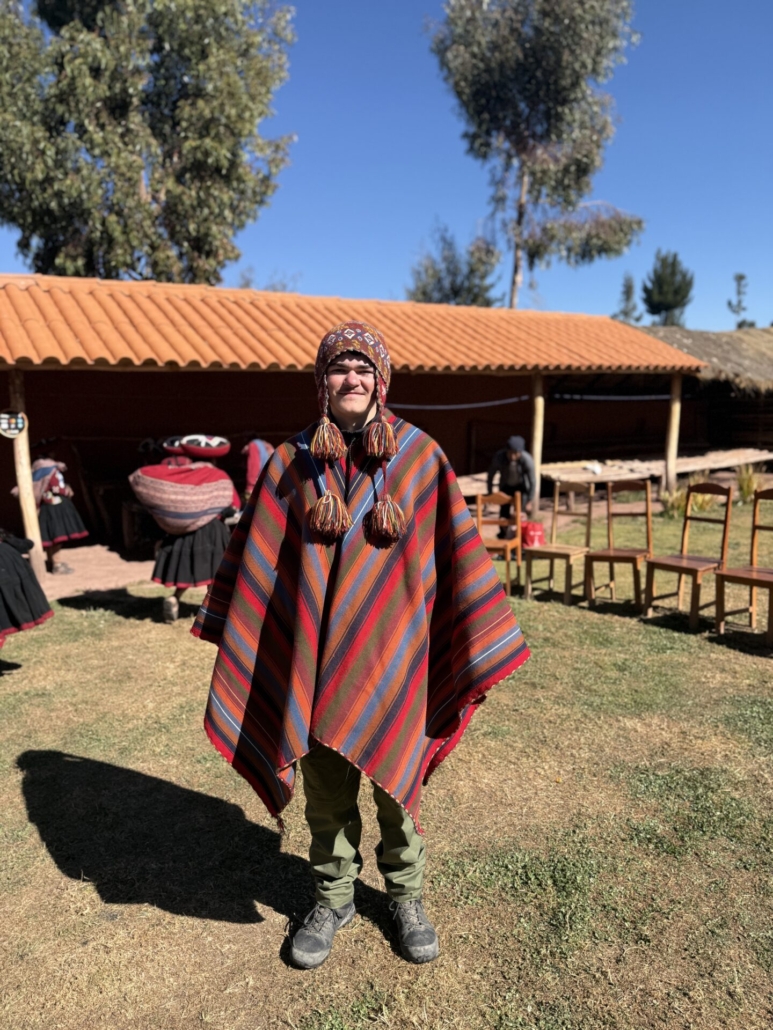
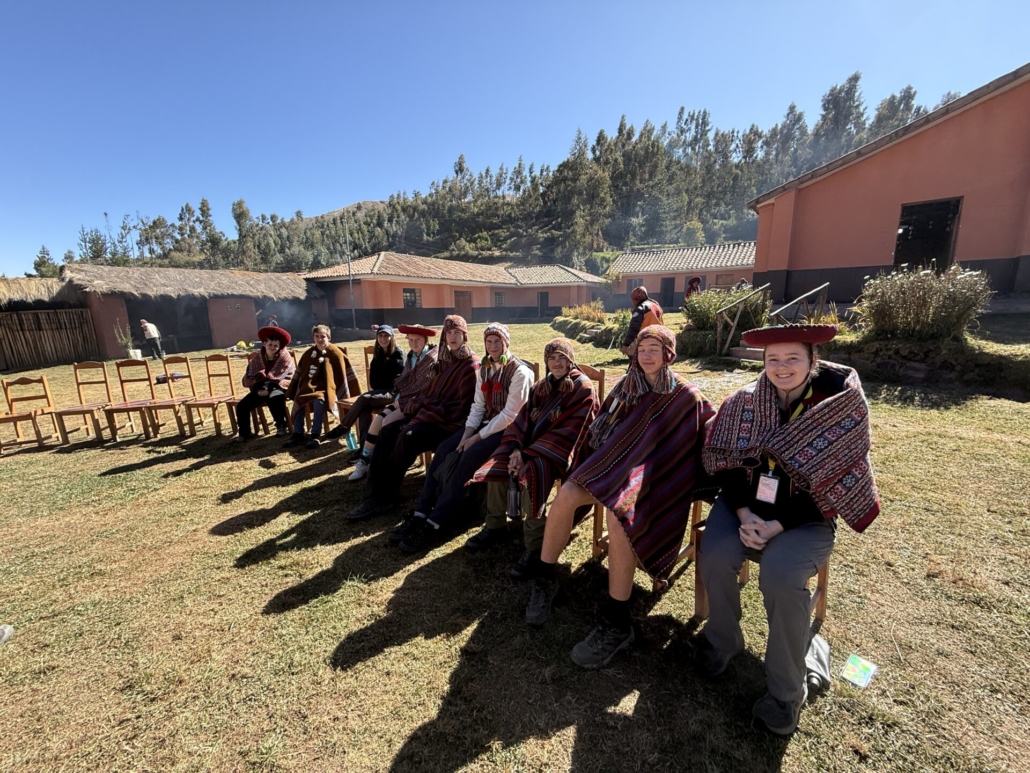
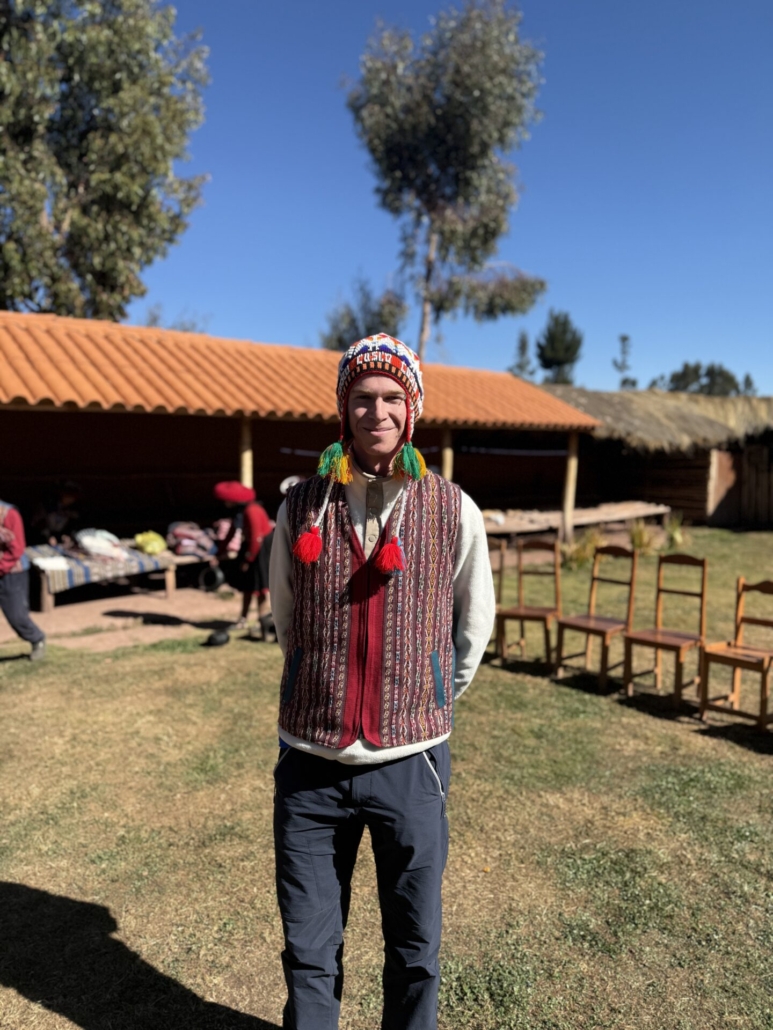
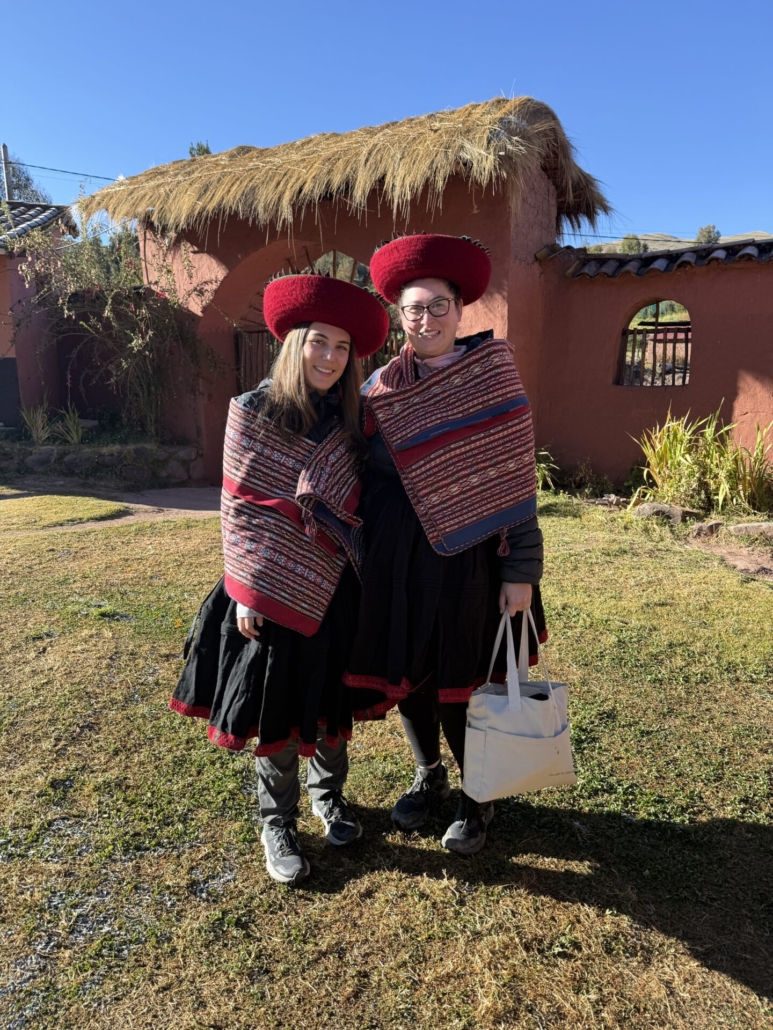
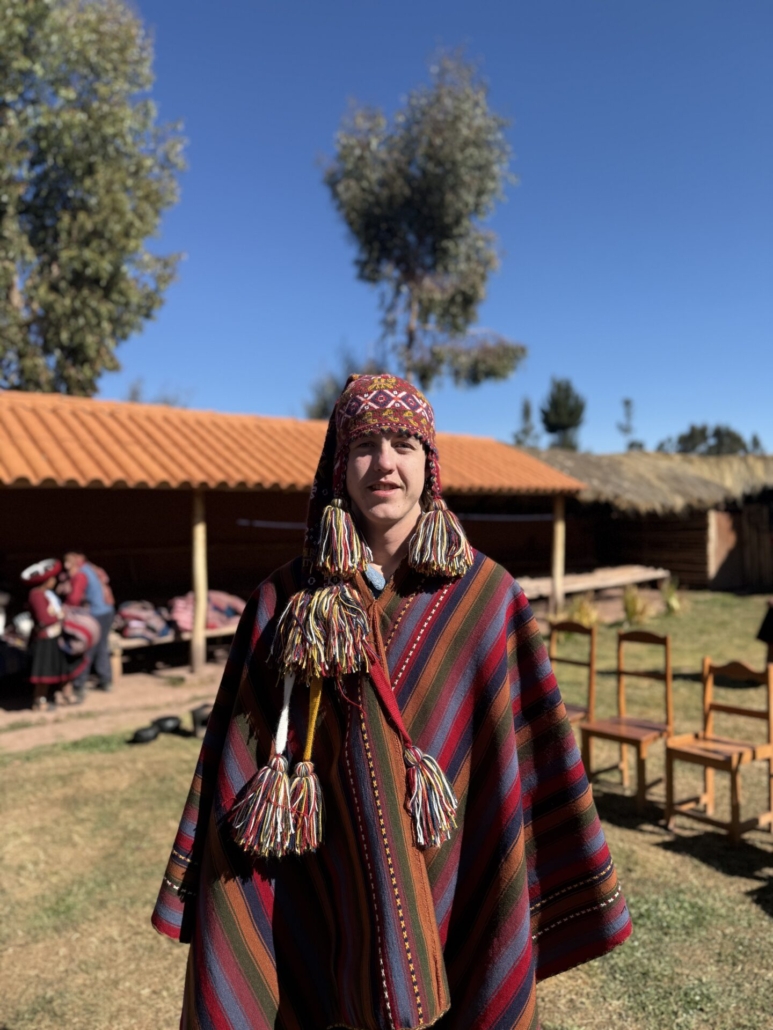
As our bus rolled to a stop, the entire village seemed to burst into life. Women, men and children dressed in brilliantly coloured traditional clothing greeted us with enormous smiles before taking our hands and leading us in dance along the path to the cultural centre. Students quickly forgot they had only just arrived. Within moments they were laughing, clapping to the music and celebrating alongside people they had never met.
It was impossible not to smile.
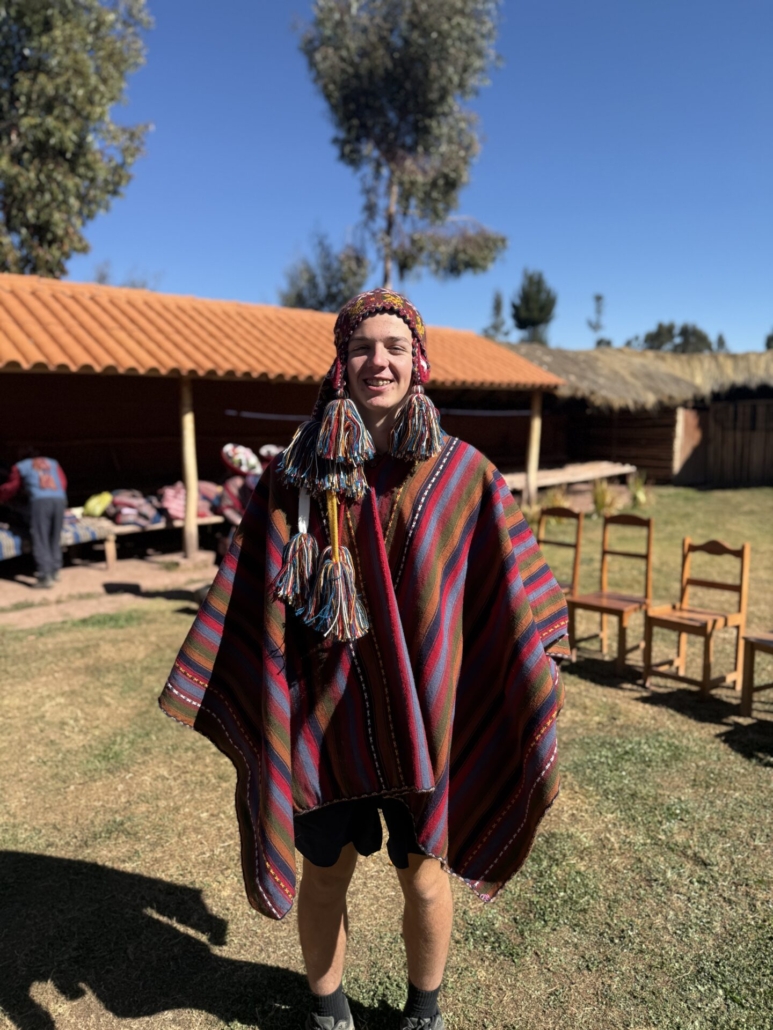
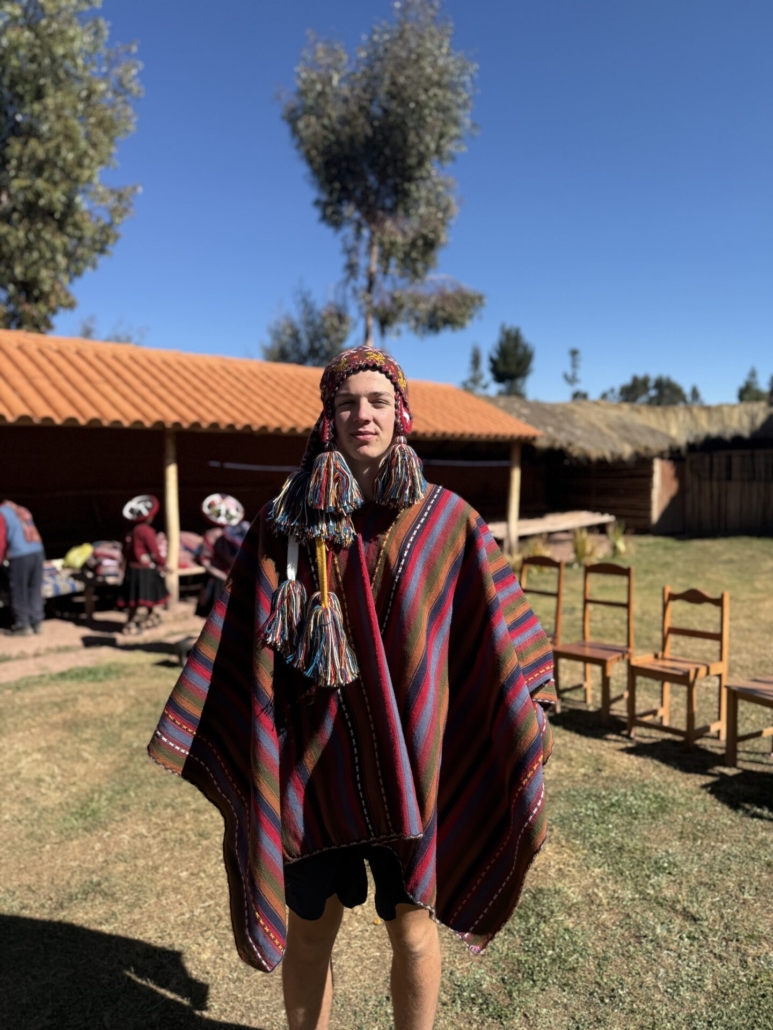
The colours seemed brighter, the music echoed through the valley and every face reflected a genuine joy that is difficult to describe. This was not a performance put on for visitors. It was a heartfelt welcome into a community that was opening its homes, its traditions and its lives to complete strangers.
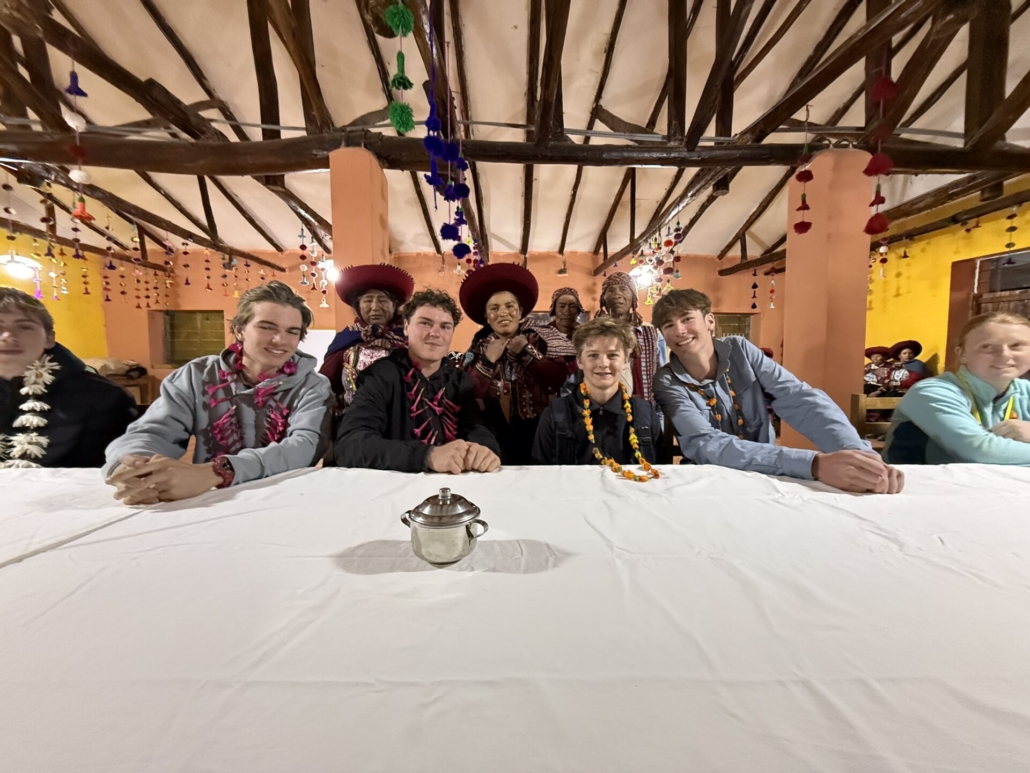
Steaming cups of herbal tea were waiting for us as the afternoon air began to cool. Dinner followed, with nourishing vegetable soup and pots of freshly prepared vegetables shared around long tables before students met the families who would welcome them into their homes for the night.
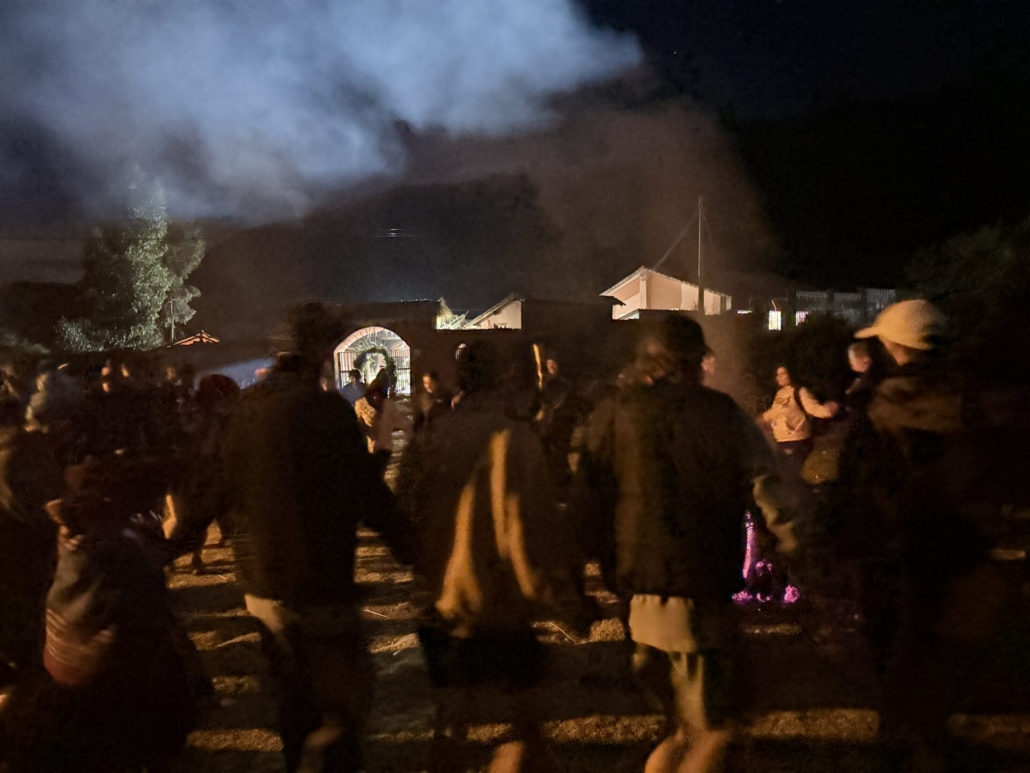
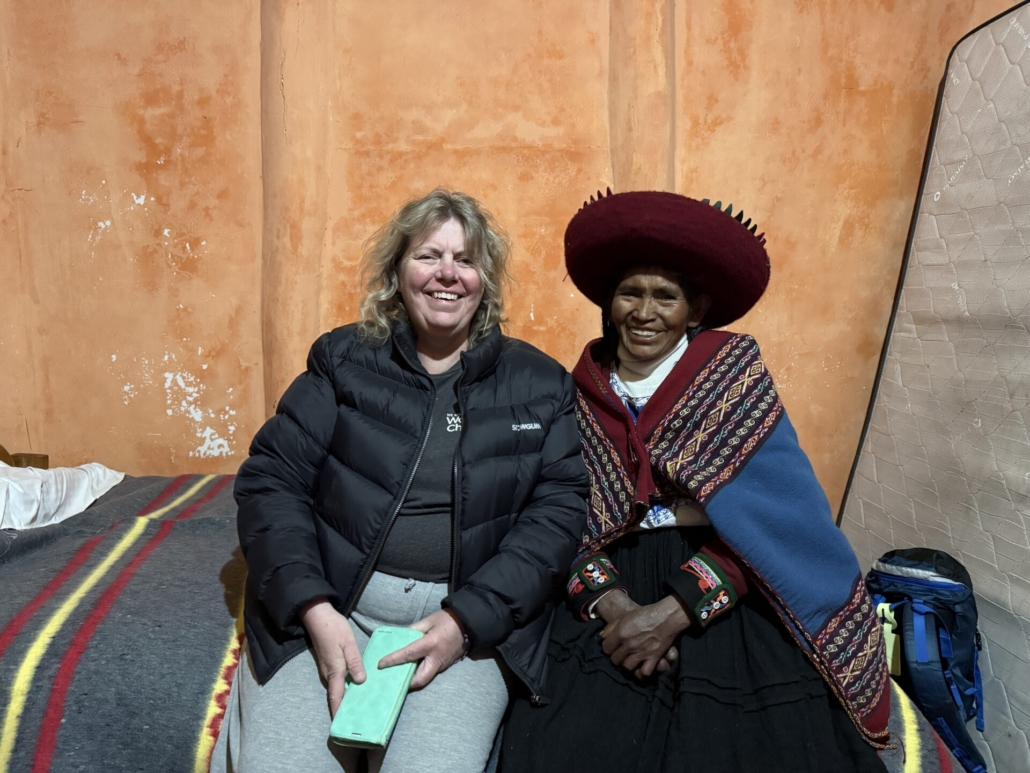
Although the houses were simple, the generosity was extraordinary. Students settled beneath layers of sheep’s wool and alpaca blankets, sharing stories with their host families before drifting off to sleep beneath one of the clearest night skies imaginable.
The following morning began with more warm tea before everyone reunited at the cultural centre for breakfast. Vegetable patties known as eja, quinoa fried rice and a traditional spiced drink provided plenty of energy for a full day ahead.
Students then rotated through three hands-on activities that offered a fascinating insight into daily life in the Andes.
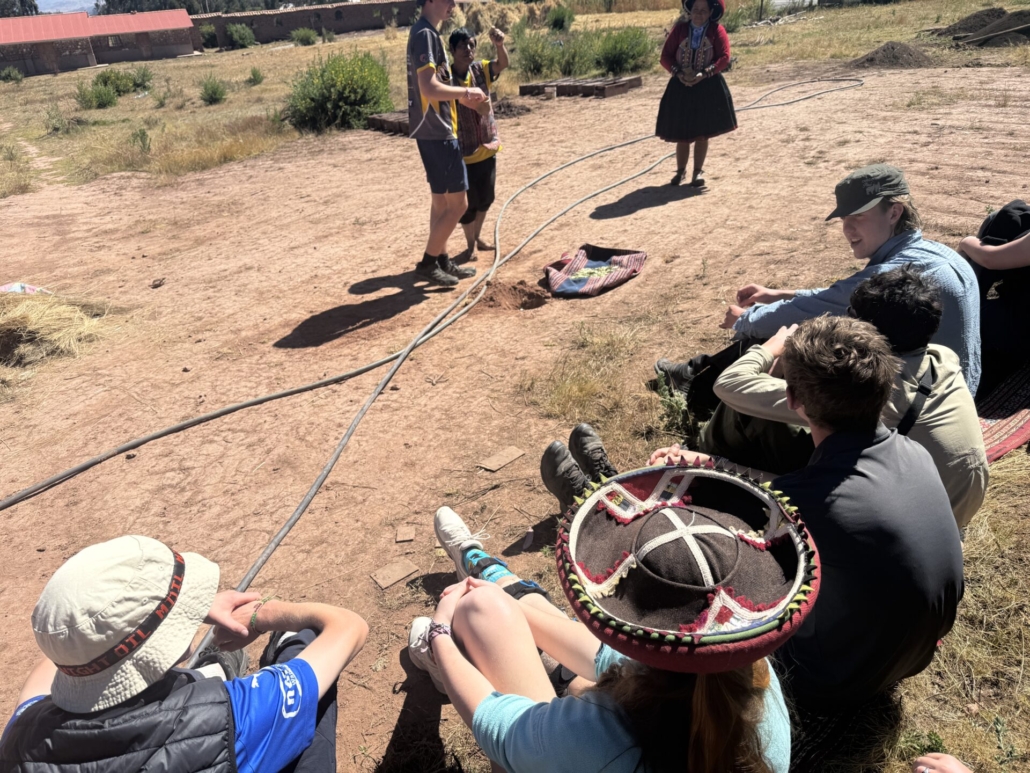
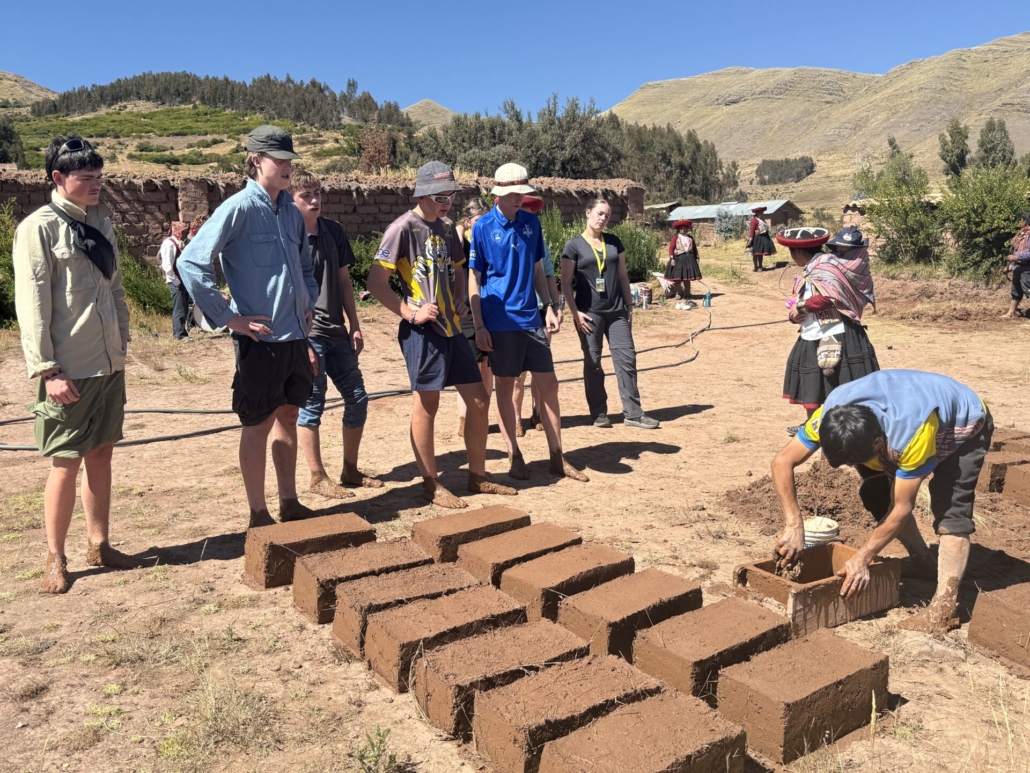
Before making adobe bricks and digging trenches ready for potatoes, each group paused to give thanks to Pachamama, or Mother Earth, following a tradition that has been passed down through generations. Students learnt that before taking from the land, whether building a home or growing food, it was important to first show gratitude and respect. It was a simple but meaningful ceremony that reminded us of the close relationship the people of Ccorccor have with the land that sustains them.
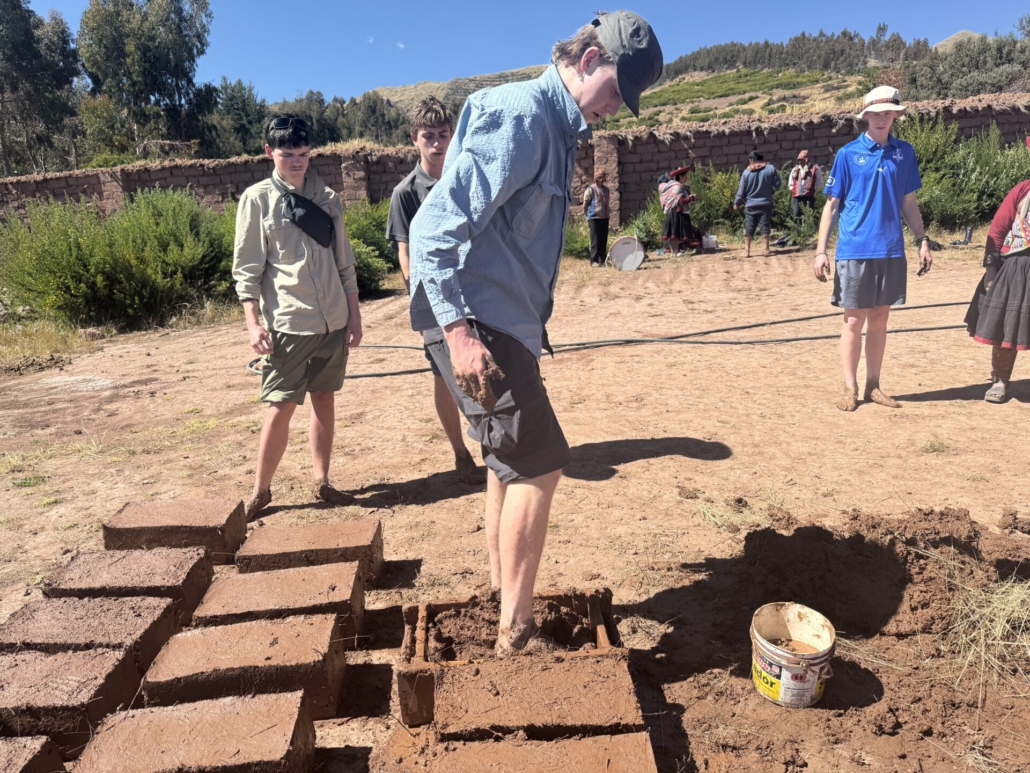
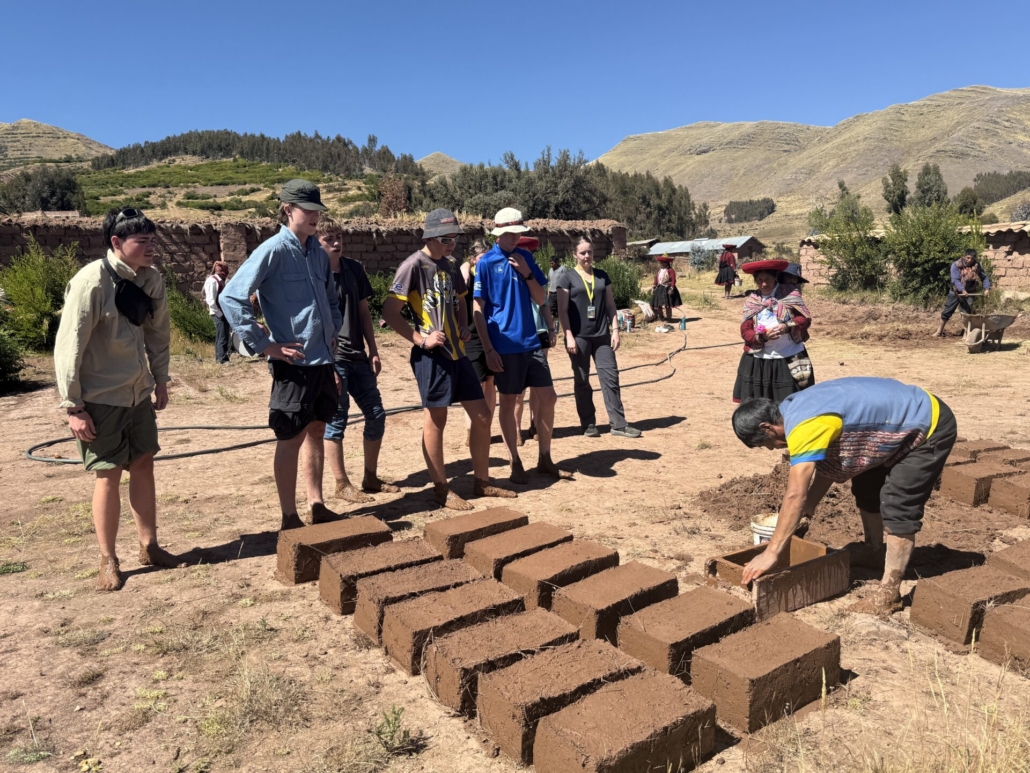
One groups then learnt the ancient process of making adobe bricks. Mixing earth, water and straw beneath their bare feet before packing the mixture into wooden moulds, students discovered that building a home has traditionally been a community effort. Every brick is made by hand and every person contributes, reflecting the belief that a village is strongest when people work together.
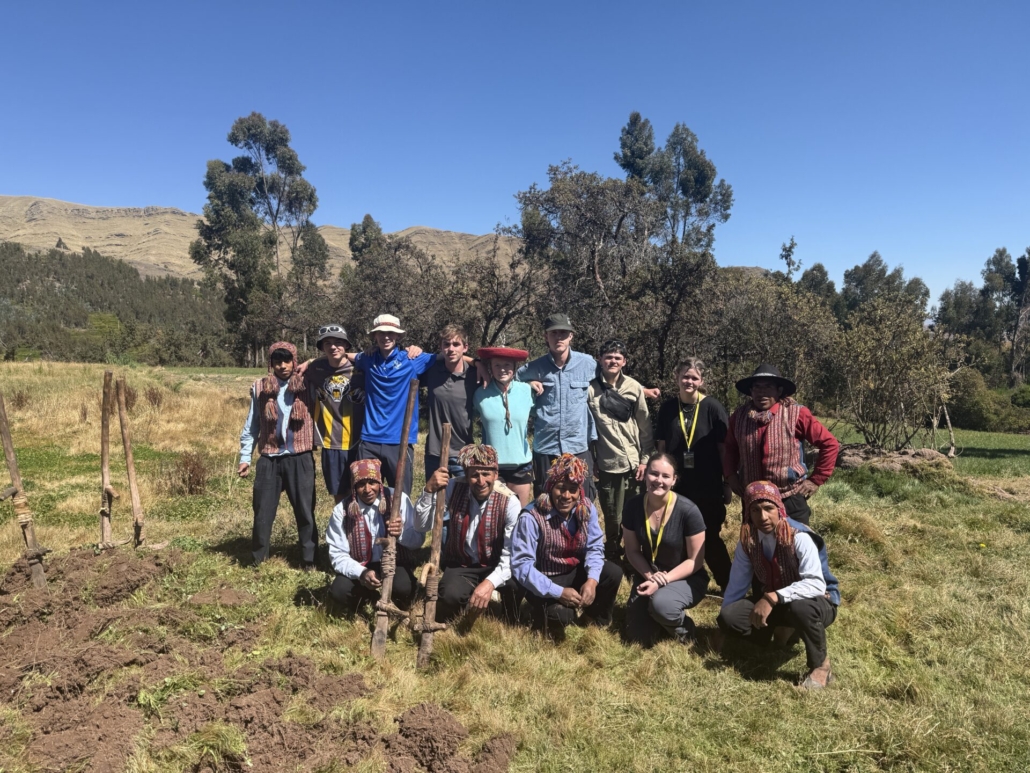
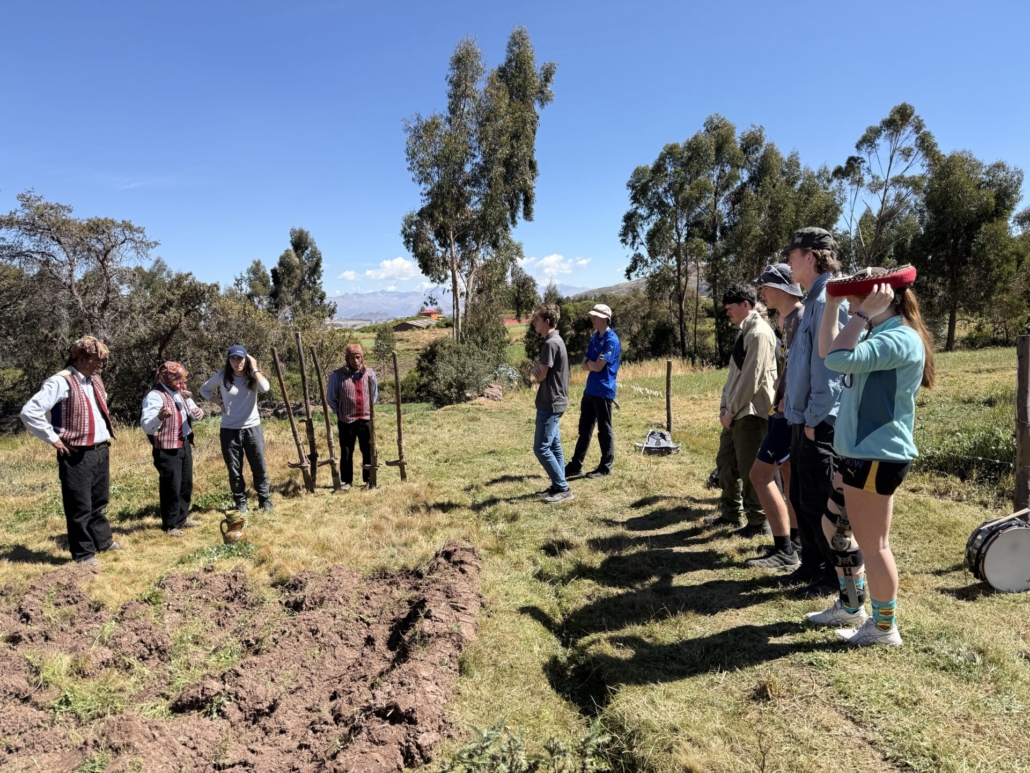
Another group joined local farmers in planting potatoes using traditional methods that have sustained families in the Andes for centuries. Working side by side with members of the community, students gained a new appreciation for the physical effort involved in growing food at almost 4,000 metres above sea level.
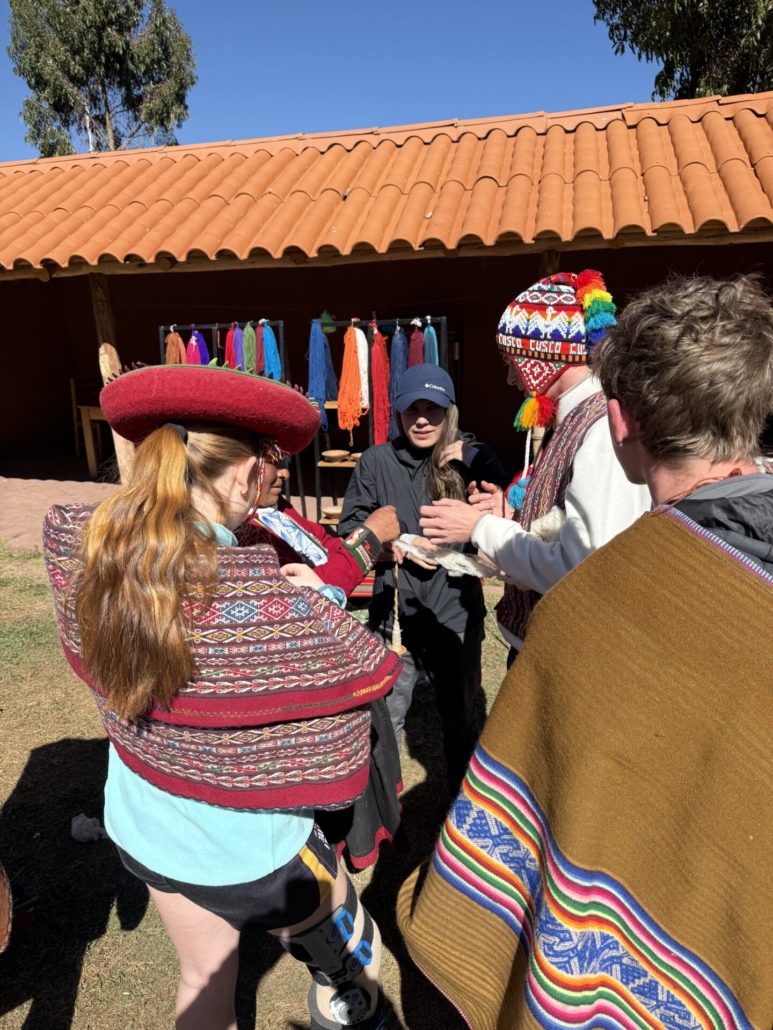
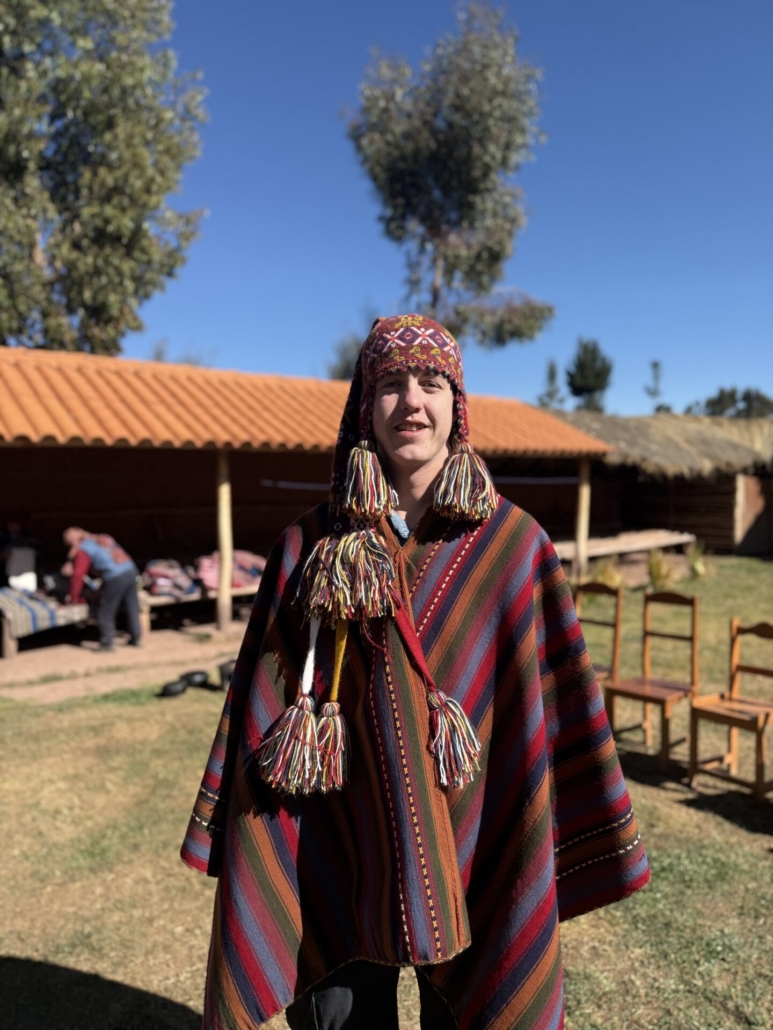
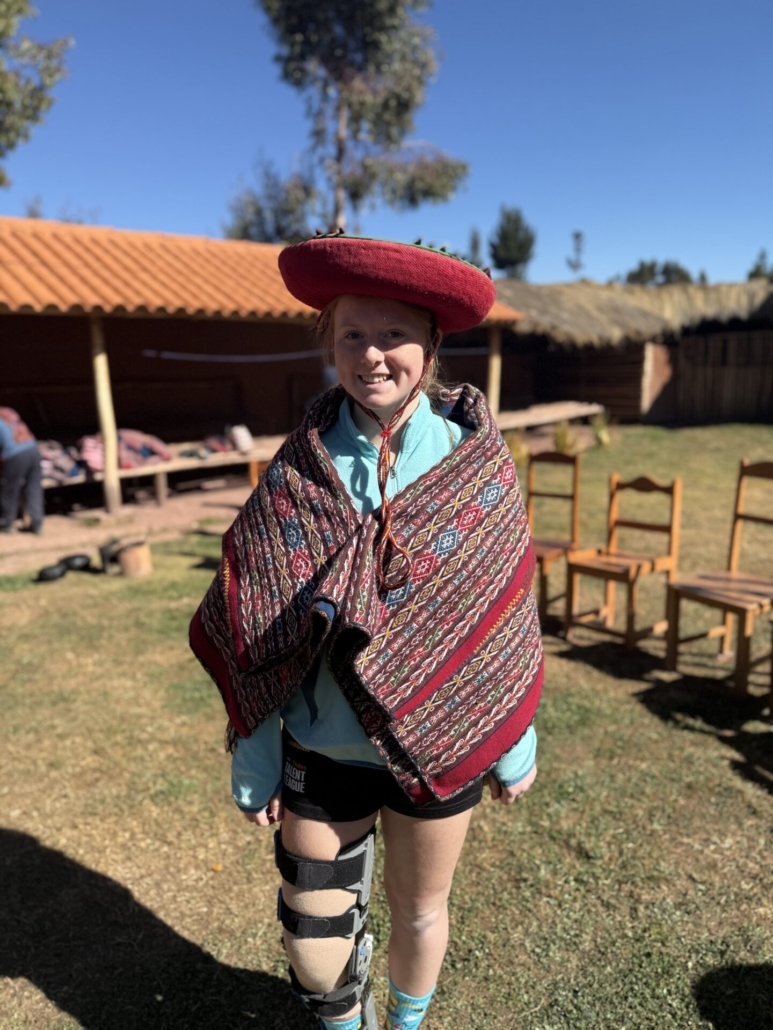
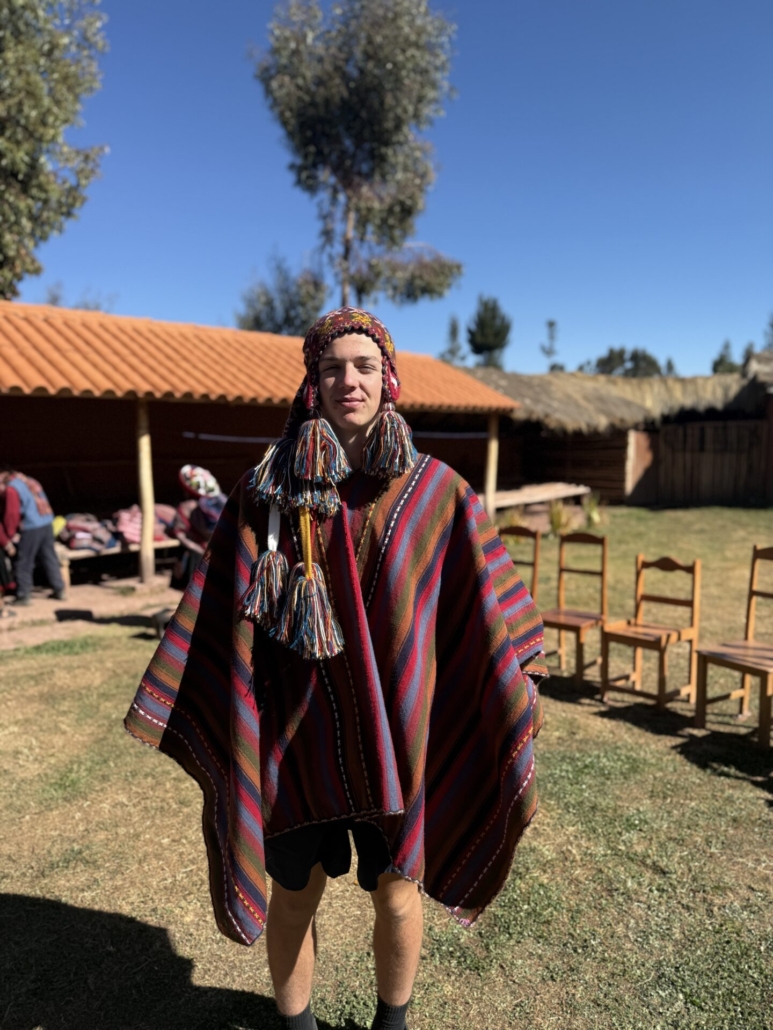
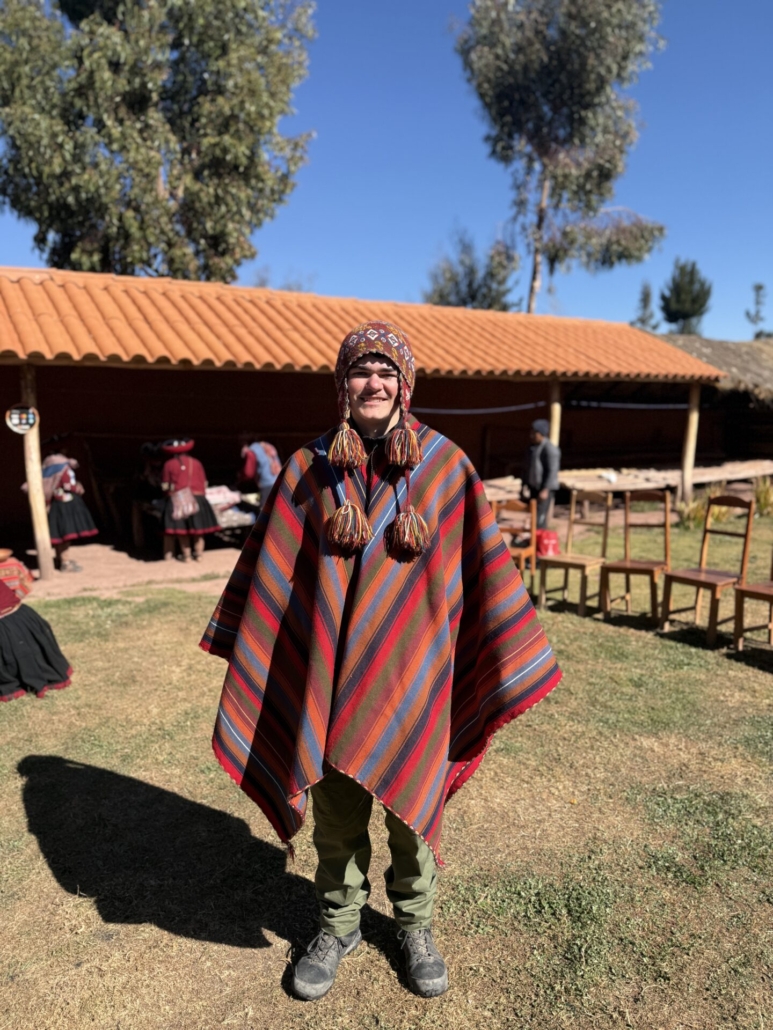
The third activity explored the extraordinary textile traditions of the Andes. Students tried their hand at spinning sheep’s wool and alpaca fibre before watching local women transform natural fibres into beautifully coloured thread. The vibrant reds came from the tiny cochineal insect that lives on cactus plants, while flowers, plants, ash and minerals produced an astonishing range of other colours. They also discovered how something as simple as lime could completely transform the shade of the dye. Watching generations of knowledge being shared so naturally was every bit as impressive as the finished textiles themselves.
Between activities there was plenty of time simply to enjoy each other’s company. Students joined the children of Ccorccor for fun games of soccer and volleyball where smiles, laughter and friendly competition quickly replaced any language barrier. It was another reminder that genuine connection does not always need words.
Our final meal together was a chance to reflect on everything we had experienced over the previous two days. There was laughter around every table, stories shared through translators and gestures and a quiet appreciation that something special had taken place.
As we boarded the bus and looked back across the village, it became clear that our visit had been about far more than learning new skills or experiencing another culture. The people of Ccorccor welcomed us not as tourists but as guests in their homes. They shared their traditions, their knowledge and, perhaps most importantly, their generosity.
At 3,860 metres above sea level, surrounded by mountains that have watched over this community for centuries, we were reminded that the richest places are not always measured by what people own. They are measured by the kindness they show, the pride they have in their culture and the willingness to share both with others.
Long after the colours have faded from our photographs and the music has become a memory, the warmth of Ccorccor and its people will remain with every one of us.
We are off to Cusco… until next time,
The Peru Crew